DeepMind A24 Deal: Google Bets $75 Million on AI Filmmaking in Hollywood
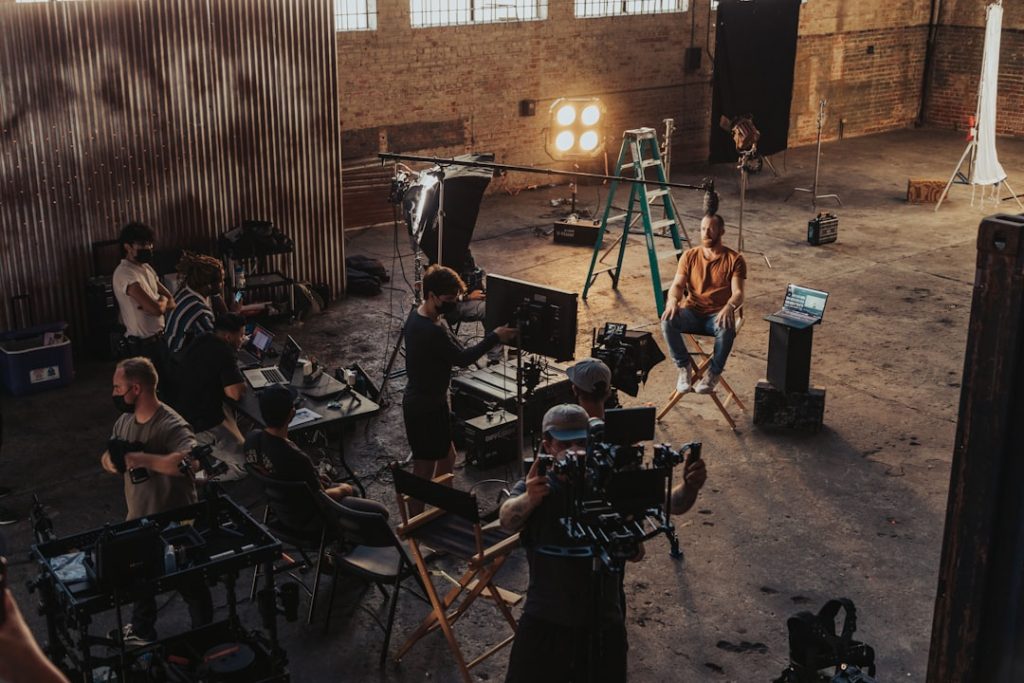
The DeepMind A24 deal landed this week as one of the most surprising AI announcements of 2026, with Google investing roughly $75 million in indie powerhouse A24 and pairing the cash with a multiyear research partnership run through its DeepMind lab. It is Google’s first-ever equity stake in a film studio, and it instantly reframes the long, uneasy relationship between Hollywood and generative AI.
For a studio best known for auteur-driven hits like Everything Everywhere All at Once and Hereditary, signing up to co-develop artificial intelligence tooling is a bold cultural statement. A24 built its brand on the idea that human taste and risk-taking beat algorithmic formula, so a tie-up with the company behind Gemini and Veo is exactly the kind of move its fans did not see coming. Here is what is actually in the agreement and why it matters.
What the DeepMind A24 deal actually covers
The DeepMind A24 deal is structured as a multiyear, non-exclusive partnership. A24 gains access to DeepMind’s research and infrastructure, while Google’s researchers work alongside the studio’s technology division to build new production workflows—think AI-generated storyboards, previsualization, and smarter distribution tools. Crucially, the agreement does not hand Google A24’s content library or its proprietary data, a point both sides went out of their way to emphasize as the news broke.
- Google’s first equity stake in a film studio.
- Roughly $75 million invested, in line with A24’s last funding round.
- Focus on storyboards, previs, and distribution—not finished, fully generated films.
- Non-exclusive terms that leave A24 free to work with other partners.
- No access to A24’s catalog or training data.
Why Google wants a foothold in Hollywood
Google has been pushing its Veo video models and Gemini stack aggressively, and a credible creative partner gives it real-world feedback that a research lab cannot generate on its own. Tying $75 million to A24—roughly what Thrive Capital put in during the studio’s last raise—buys Google goodwill in an industry that has swung between AI partnerships and high-profile lawsuits over training data. For A24, the appeal is access to frontier tools without surrendering the creative independence that defines the studio.
The timing is no accident. As production budgets balloon and streaming economics tighten, studios are hunting for ways to compress the most expensive parts of the pipeline. Pre-production, storyboarding, and visual effects iteration are obvious targets, and that is precisely where the partnership is aimed.
The bigger picture for AI in entertainment
Hollywood spent the past two years treating generative AI as a threat to be litigated and negotiated, most visibly during the writers’ and actors’ strikes. The DeepMind A24 deal points to a different posture: selectively adopting the technology on the studio’s own terms rather than waiting for the courts to settle every question. Expect rivals from Netflix to Disney to study the structure closely, because a non-exclusive research pact that withholds the content library could become the template for how studios partner with AI labs.
Read TechCrunch’s full report on the Google DeepMind bet on Hollywood for the deal’s financial details and partnership terms.
What to watch next
The real test of the DeepMind A24 deal will be whether any of the resulting tools show up in an actual A24 release—and whether audiences and talent accept them. If the partnership produces useful storyboarding or previs software without diluting A24’s signature voice, it could quiet some of the loudest skeptics. If it feels like a marketing exercise, it will fuel the backlash. Either way, the era of studios sitting out the AI conversation is clearly over.
Related on DAILYSIM: Groq’s $650 million raise after Nvidia’s talent raid and Fox’s $22 billion Roku deal to own connected TV.