AI Data Centers Get a $1.75 Billion Jolt: National Grid Buys Into Joulent
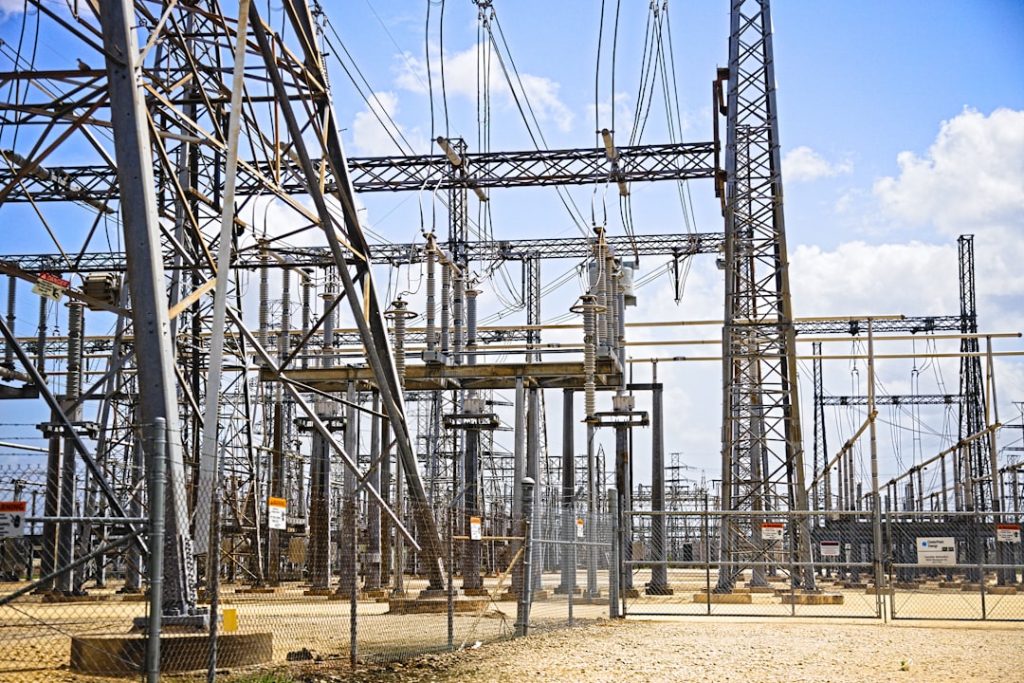
The race to power AI data centers just got a heavyweight new player. National Grid, the British utility giant that keeps the lights on for millions across the UK and the northeastern United States, announced on July 1 that its commercial arm, National Grid Ventures, will invest $1.75 billion for a 35% stake in Joulent, a US energy company built specifically to deliver multi-gigawatt power for compute-hungry AI campuses.
It is one of the largest single bets yet on the idea that the real bottleneck in artificial intelligence is no longer chips or talent — it is electricity.
The Deal at a Glance
Under the agreement, announced by National Grid Ventures, the utility takes a minority stake in Joulent and forms a strategic partnership to develop contracted power and electrical infrastructure for large-load customers in the United States. National Grid chief executive Zoë Yujnovich called it “a disciplined, partner-led investment in contracted critical infrastructure for the AI-driven large load economy.”
The framing matters. This is not a speculative merchant-power play; it is contracted infrastructure, anchored by long-term purchase agreements with some of the deepest-pocketed buyers in the world. National Grid says it expects to connect more than 10 GW of data center demand across the UK and US over the next five years, and the Joulent partnership slots directly into that pipeline.
Project Kilby: 2.67 GW for Microsoft in West Texas
The first proof point is Project Kilby, Joulent’s foundational development in West Texas. Built in a 50/50 partnership with Chevron, Kilby is a 2.67-gigawatt co-located, gas-fired power facility that will feed dedicated electricity to a Microsoft-operated data center under a 20-year power purchase agreement.
The co-location model is the key detail. Rather than waiting years in interconnection queues to draw from the public grid, Kilby generates power right next to the facility that consumes it. Analysts have pointed to grid interconnection delays — now stretching five years or more in some US regions — as a primary driver of deals like this one.
Why the Grid Is the New Battleground for AI Data Centers
The economics behind the deal are stark. Training and serving frontier AI models requires campuses measured in gigawatts, and US utilities are fielding connection requests that dwarf anything in their planning models. The result is a land grab for firm, baseload generation:
- Hyperscalers are signing 20-year power deals the way they once signed office leases.
- Oil and gas majors like Chevron are pivoting into behind-the-meter generation for compute.
- Traditional utilities, long seen as slow-moving, are buying their way into the fastest-growing electricity market on earth.
For National Grid, the appeal is a hedge and a growth engine at once: regulated utility returns at home, plus exposure to the surging demand curve of American AI infrastructure.
What It Means for the AI Buildout
The deal lands amid a broader scramble for compute and the power behind it. Google is rationing Gemini capacity, Samsung is committing hundreds of billions to chips, and every hyperscaler is discovering that megawatts are the new GPUs. Expect more utility-scale money to flow into purpose-built energy companies like Joulent, and expect regulators to start asking harder questions about what dedicating entire power plants to single customers means for everyone else’s electric bills.
For now, the signal is unmistakable: the companies that control power for AI data centers are becoming as strategically important as the companies that design the silicon inside them. A 158-year-old British utility just paid $1.75 billion to make sure it is one of them.
Related on DAILYSIM: Gemini Compute Crunch: Google Rations Meta’s AI Access as Capacity Runs Short and Samsung AI Investment: $648 Billion Bet to Reshape South Korea’s Chip Future.