iPhone Price Increase Confirmed: Apple Blames the AI Memory Shortage
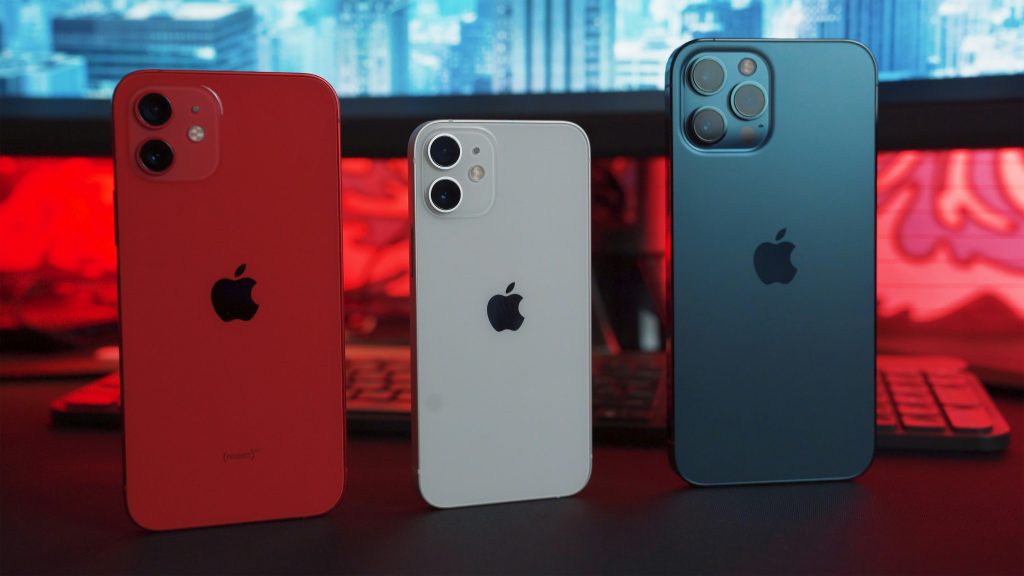
Apple has confirmed what many feared: an iPhone price increase is coming, and the company is pointing the finger squarely at the artificial intelligence boom. CEO Tim Cook told the Wall Street Journal that higher prices are now “unavoidable” after the cost of the memory chips inside every iPhone quadrupled over the past year, driven by insatiable demand from AI data centers.
Why the iPhone price increase is happening now
The root cause of the iPhone price increase is a global crunch in DRAM, the memory that powers phones, laptops, and servers alike. Industry watchers have nicknamed it “RAMageddon.” AI data centers are now consuming roughly 70% of global DRAM supply, and the three giants that make more than 95% of the world’s memory — Samsung, SK Hynix, and Micron — have shifted their production lines toward the high-bandwidth memory used in Nvidia AI accelerators. That leaves far less low-power memory for smartphones, and what remains has become dramatically more expensive.
How much more your next iPhone could cost
The numbers are eye-watering. Analysts at TechInsights estimate the iPhone 18 Pro could cost around $270 more to build if Apple wants to protect its margins. According to TechCrunch’s report on the looming iPhone price increases, Apple has been absorbing as much of the cost as it can, but a fourfold jump in memory prices is simply too large to swallow quietly.
- Memory cost: up roughly 4x year over year
- Estimated added cost: about $270 for the iPhone 18 Pro
- Industry average: the typical smartphone could hit a record $523 in 2026, per IDC
- DRAM demand: AI data centers consuming about 70% of global supply
It is not just the iPhone
The same memory squeeze that is forcing an iPhone price increase is expected to ripple across Apple’s lineup, with iPads and MacBooks likely to follow. The pain extends industry-wide too: PC makers and Android phone brands face identical pressure, and IDC projects average smartphone prices will climb about 14% this year. Behind it all is a historic spending wave — Meta, Microsoft, Google, and Amazon are on track to spend an estimated $650 billion on data center infrastructure in 2026, nearly triple their combined 2024 outlay.
What it means for buyers
For consumers, the message is simple: the era of flat or falling flagship phone prices may be over, at least until memory supply catches up. Cook framed the increases as a temporary response to extraordinary market conditions rather than a permanent strategy, but few analysts expect relief before 2027 as chipmakers race to add capacity. If you have been eyeing an upgrade, buying sooner rather than later may save you a meaningful amount.
The bigger picture
The confirmed iPhone price increase is a vivid reminder that the AI gold rush has real-world costs that reach ordinary shoppers. The same chips fueling chatbots and AI agents are now competing directly with the phone in your pocket — and for the moment, the data centers are winning the bidding war.
Related on DAILYSIM: Chip Shortage Hits the Mac: Why Apple Quietly Pulled Hardware as AI IPOs Surge and Midjourney Scanner: AI Image Pioneer Unveils a 60-Second Full-Body Scan and a Spa.