Qualcomm Tenstorrent Deal: Chipmaker in Talks for a $10 Billion AI Silicon Bet
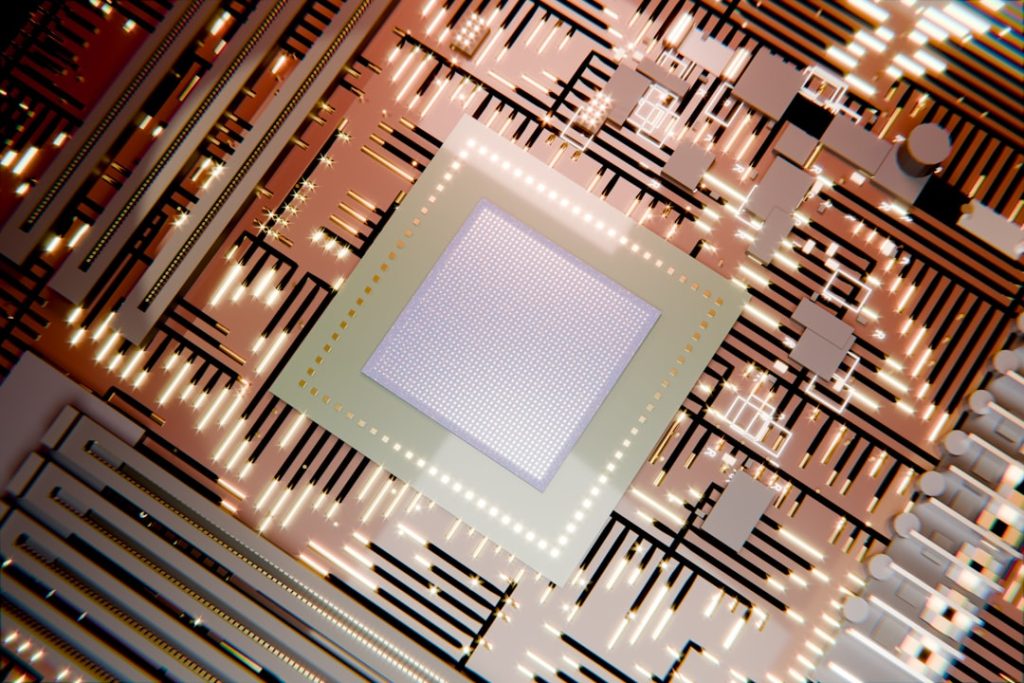
The Qualcomm Tenstorrent deal could become the largest acquisition in AI chip history, and it would mark a turning point in how the industry challenges Nvidia. According to a Reuters report, Qualcomm is in advanced talks to acquire AI chip startup Tenstorrent for between $8 billion and $10 billion, though final terms have not been agreed and the deal could still fall apart.
Inside the Qualcomm Tenstorrent Deal
Tenstorrent is led by Jim Keller, the veteran chip architect known for his work on Apple’s mobile processors, AMD’s Zen architecture, and Tesla’s self-driving chip effort before he left to build his own AI silicon company. Tenstorrent has spent years developing RISC-V-based AI accelerators positioned as a lower-cost, more flexible alternative to Nvidia’s GPUs. For Qualcomm, a company that has dominated mobile chips for two decades but has struggled to gain traction in AI data centers, buying that expertise outright is faster than building it in-house.
Why Qualcomm Wants a Way Around Nvidia
Nvidia currently controls the overwhelming majority of the AI accelerator market, and every major chipmaker from AMD to Intel to Broadcom has spent the past two years trying to chip away at that dominance. Qualcomm’s smartphone business, while still lucrative, is growing slowly as global handset upgrades slow down. Acquiring Tenstorrent would hand Qualcomm a ready-made AI accelerator architecture and a respected engineering team, letting it enter the data center AI race through acquisition rather than years of costly, uncertain internal development.
A Deal That Would Reshape the AI Silicon Stack
If the Qualcomm Tenstorrent deal closes at the reported $8 billion to $10 billion range, it would rank among the largest semiconductor acquisitions of the decade and send a signal that the AI chip race is entering a consolidation phase rather than a pure innovation race. Instead of dozens of startups trying to out-engineer Nvidia independently, the more likely path forward is a handful of well-capitalized giants buying up the best RISC-V and custom-silicon teams and folding them into existing manufacturing and distribution networks.
Qualcomm’s Ambitions Beyond Smartphones
Qualcomm has already been signaling that it wants a bigger seat at the data center table. The company has previously unveiled its own AI200 and AI250 accelerator chips aimed at inference workloads, and executives have talked up plans to sell server-grade silicon to cloud providers by the end of the decade. Acquiring Tenstorrent would accelerate that roadmap significantly, pairing Qualcomm’s manufacturing scale and customer relationships with Tenstorrent’s already-proven RISC-V accelerator designs instead of waiting years for homegrown chips to mature. It would also give Qualcomm engineering talent with direct experience shipping silicon at Apple, AMD, and Tesla, filling gaps that internal hiring alone has struggled to close.
What Still Has to Happen
Nothing is final. Reports describe the talks as advanced but unresolved, and deals of this size typically face regulatory review given ongoing scrutiny of chip industry consolidation in both the United States and abroad. Tenstorrent has also raised capital from other strategic investors in the past, which could complicate an outright sale, and any competing bidder could still emerge before terms are signed. Still, the fact that Qualcomm and Tenstorrent have reportedly settled on a price range suggests the talks are further along than typical early-stage acquisition rumors.
The Bigger Picture
Whether or not the Qualcomm Tenstorrent deal ultimately closes, the mere fact that it is being discussed at this scale confirms just how much capital is chasing any credible alternative to Nvidia’s grip on AI computing. Investors have already reacted, with Qualcomm shares climbing on the news. For an industry that spent 2024 and 2025 obsessed with training bigger models, 2026 looks increasingly like the year the real fight moves to who controls the silicon underneath them.
Related on DAILYSIM: Groq Funding: AI Chip Startup Raises $650 Million After Nvidia Talent Raid and Microsoft Frontier Company: Inside the $2.5 Billion Bet on Forward-Deployed AI Engineers.