UK Social Media Ban: Britain Bars Under-16s From TikTok and Instagram
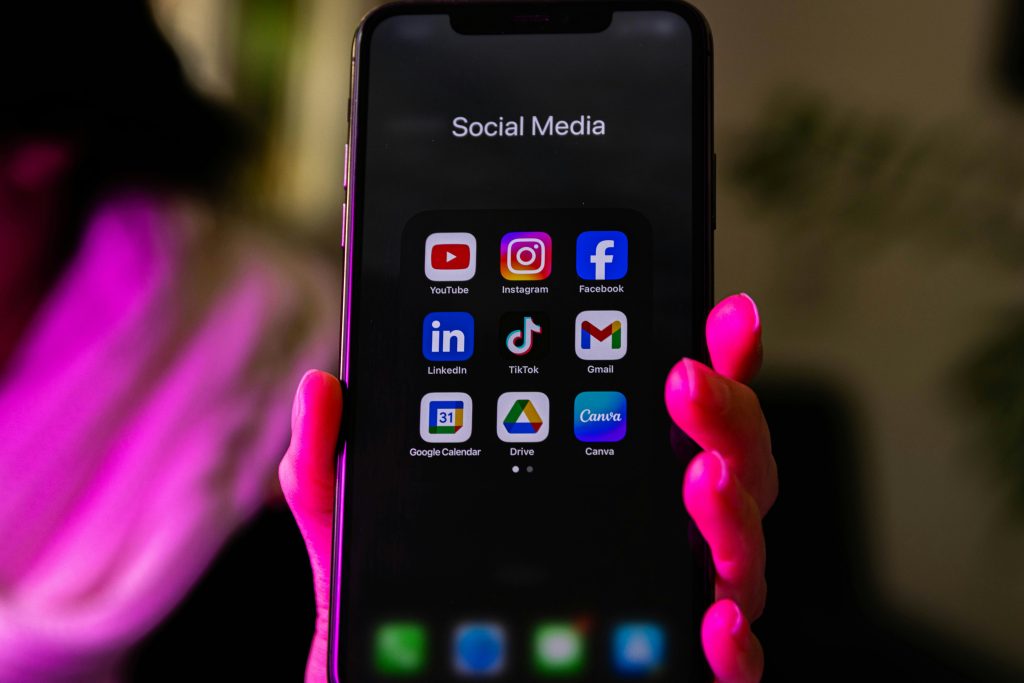
The UK social media ban is here: on Monday, Prime Minister Keir Starmer announced that Britain will bar children under 16 from mainstream social platforms including TikTok, Instagram, Snapchat, YouTube, Facebook and X. It is the most aggressive online-safety move yet by a major Western government, and it lands squarely on the world’s biggest tech companies.
Framed as a bid to “give children back their childhoods,” the policy follows a public consultation that drew more than 116,000 responses, with over 90% backing an under-16 cutoff. Here is what the rules actually do, who they hit, and why the rollout is going to be messy.
What the UK social media ban actually covers
The restrictions target feed-based, algorithmic platforms where strangers can reach minors. Snapchat, TikTok, YouTube, Instagram, Facebook and X all fall inside the net. Notably exempt are YouTube Kids and private messaging services such as WhatsApp and Signal, which the government treats as communication tools rather than open social feeds.
The ban does not stop at social apps. Ministers also pledged to block strangers from contacting children on gaming and livestreaming platforms, and to restrict AI “companion” chatbots that simulate romantic or sexual relationships to users over 18. Officials are even weighing overnight curfews and forced breaks in infinite scrolling for under-18s.
How enforcement will work
The legal mechanism runs through section 214A of the Online Safety Act 2023. Regulations are due before Parliament by the end of 2026, with the rules expected to take force around spring 2027. Crucially, enforcement falls on companies, not kids — Starmer was explicit that platforms, not children, will face penalties.
That puts the regulator Ofcom at the center. Ofcom will not personally verify ages; instead it will define what counts as “effective” age checking and report on the options by the end of October 2026. The Information Commissioner’s Office has already signaled that self-declaration is “easily circumvented” and that platforms will likely need facial age estimation, digital ID, or one-time photo matching. Companies that fail to take reasonable steps could face multimillion-pound fines.
Why Big Tech is worried
The under-16 cutoff is stricter than most existing regimes and mirrors Australia’s pioneering ban. For platforms, the compliance burden is enormous: building robust age-assurance systems for tens of millions of UK users without sweeping up adults or trampling privacy law. Age verification itself is contentious, since collecting facial scans or government IDs creates fresh data-protection risks.
There are open questions too:
- Circumvention: VPNs and borrowed logins could blunt the ban, much as they have in other jurisdictions.
- Scope creep: Extending rules to gaming, livestreaming and chatbots pulls in companies that never saw themselves as “social media.”
- Free expression: Critics warn that hard age gates could push teens toward less-moderated corners of the internet.
You can read the UK government’s framing and the platform list in NPR’s report on Britain’s social media ban.
The bigger picture
The UK social media ban is the clearest sign yet that the regulatory mood has turned. After years of voluntary safety pledges, governments are now writing hard rules with real fines attached — and Britain is betting that the threat of penalties will force the largest platforms to redesign how children use the internet. Whether the technology to enforce it can keep up is the multibillion-pound question.
For families, nothing changes overnight; the rules are still months from taking effect. But for Silicon Valley, the message from London is unambiguous: the era of self-policing is ending.
Related on DAILYSIM: EU Orders Meta to Readmit Rival WhatsApp Assistants and How Meta’s AI Support Tool Leaked 20,000 Instagram Logins.