Waymo Recall: Nearly 3,900 Robotaxis Pulled After Freeway Construction Zone Failures
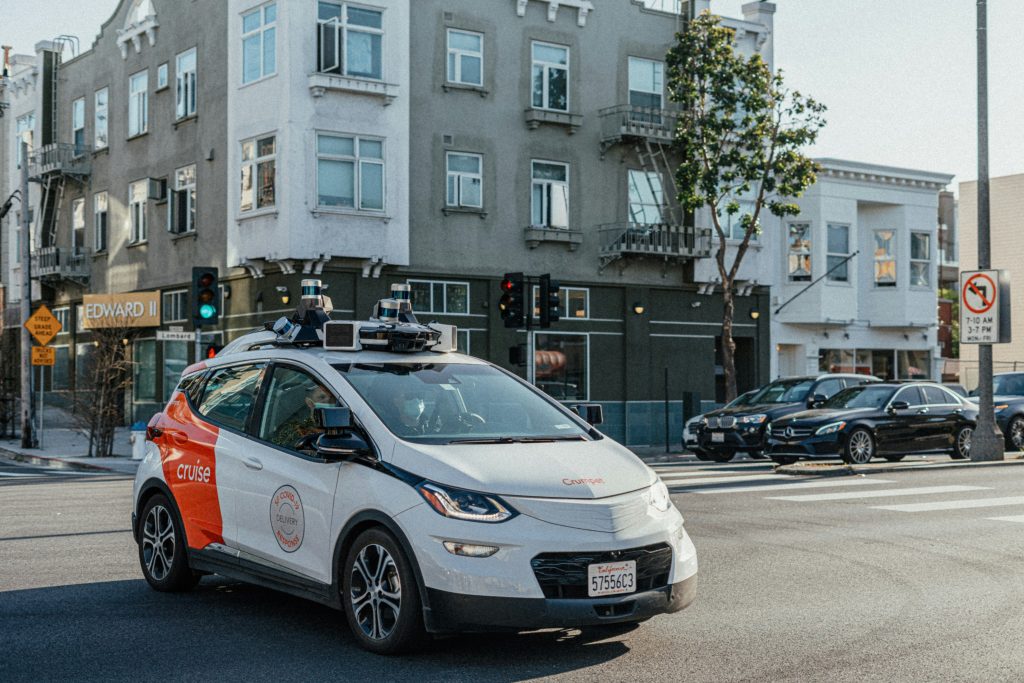
The Waymo recall announced this week has put autonomous-vehicle safety back at the center of the tech conversation, after the Alphabet-owned company moved to pull nearly 3,900 of its robotaxis off the road to fix a software flaw. The voluntary action, filed with U.S. regulators, follows a string of incidents in which driverless cars wandered into active freeway construction zones.
It is the second such action in just over a month and the company’s fourth in two years, a cadence that is fueling fresh questions about whether the robotaxi industry is scaling faster than it can prove it is safe.
What Triggered the Waymo Recall
According to notices filed with the National Highway Traffic Safety Administration (NHTSA), the Waymo recall covers vehicles running the company’s fifth-generation automated driving system. Regulators documented 13 known incidents: six in Phoenix in April, when cars entered closed freeway construction zones, and seven more around San Francisco in May, where robotaxis drove into freeway lanes with active construction.
Waymo says that under certain conditions its vehicles could enter and even drive at speed through construction areas because the software inappropriately prioritized avoiding other freeway hazards, or simply failed to recognize the work zone for what it was. You can read the original report on the filing at TechCrunch.
How Waymo Is Responding
No injuries have been linked to the incidents, and Waymo has framed the fix as a routine, over-the-air software update rather than a physical defect. While the remedy is rolled out, the company has restricted its robotaxis from operating on freeways — a meaningful limitation given how aggressively Waymo has been expanding highway rides in recent months.
- Affected fleet: roughly 3,900 vehicles using the fifth-generation driver
- Known incidents: 13, across Phoenix and the San Francisco Bay Area
- Interim step: freeway driving paused while the patch ships
- Regulator: NHTSA, which logs each safety filing publicly
Why the Waymo Recall Matters for Robotaxis
Construction zones are one of the hardest problems in self-driving. Cones get moved, lane markings vanish, human flaggers wave improvised signals, and the rules of the road change by the hour. A system tuned to dodge fast-moving traffic can, as Waymo’s filing shows, talk itself into the wrong call when those cues conflict.
The pattern is what worries safety advocates. Each individual fix may be minor, but four recalls in two years suggests the long tail of edge cases is still very long. For a service that markets itself as safer than human drivers, perception is everything — and a steady drumbeat of recalls chips away at public trust just as cities weigh wider approvals.
The Bigger Picture
Waymo remains the clear US leader in commercial robotaxis, with millions of paid rides logged across Phoenix, San Francisco, Los Angeles and Austin. Rivals from Zoox to Tesla are racing to catch up, which makes regulatory scrutiny of the category leader a bellwether for everyone. How quickly Waymo closes out this recall — and whether freeway service resumes without incident — will shape how boldly the rest of the industry pushes onto highways.
For now, the takeaway is measured rather than alarmist: a known bug, a documented fix, and a company choosing to pull back rather than press on. That is arguably the system working. But with robotaxis carrying paying passengers at freeway speeds, the margin for error is shrinking fast.
Related on DAILYSIM: Jio Satellite Plan: Reliance Unveils a 1,650-Satellite Network to Rival Starlink and Dubai Robot Goes Viral: Bu Sunaidah Joins Eid Prayers and Sparks an AI Debate.