Tesla Robotaxi Miami: Driverless Rides Launch With No Safety Monitor
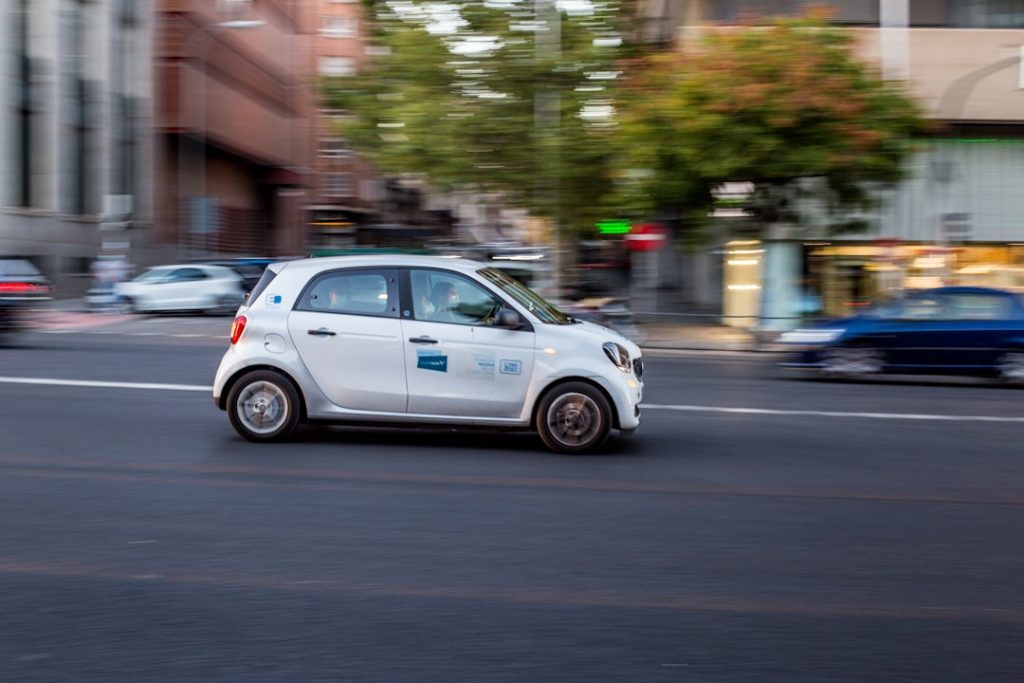
The Tesla Robotaxi Miami launch is the boldest test yet of Elon Musk’s driverless ambitions: on July 3, Tesla began carrying paying riders through West Miami, Doral, and Coral Gables with nobody in the front seat at all, skipping the human-monitored phase it used in every city before it.
Why the Tesla Robotaxi Miami Launch Is Different
When Tesla brought commercial robotaxi service to Austin in June 2025, every car carried a human safety monitor in the passenger seat for months before the training wheels came off. Dallas and Houston followed the same cautious script after launching in April. Miami breaks that pattern: it’s the first market where Tesla has gone straight to fully unsupervised rides from day one, with Tesla VP of AI software Ashok Elluswamy confirming on social media that there is no monitor and no driver, a claim quickly backed up by rider videos of empty front seats.
Inside the Geofenced Service Area
The service currently covers a deliberately modest zone of roughly 10 to 14 square miles, leaving out downtown, Miami Beach, and the airport — the densest, most chaotic parts of the metro. Riders need the dedicated Robotaxi app on iOS or Android and should expect to join a waitlist, mirroring the rollout pattern Tesla used in its earlier markets. The fleet is made up entirely of Model Y vehicles rather than the purpose-built Cybercab Tesla has promoted as its long-term robotaxi hardware.
Camera-Only FSD Meets Florida Rain
Miami’s near-daily afternoon downpours make it a genuinely hard proving ground for Tesla’s camera-only Full Self-Driving stack, which has no radar or lidar to fall back on when cameras struggle with glare or heavy rain. Rivals like Waymo lean on sensor fusion across cameras, radar, and lidar specifically because each sensor degrades differently in bad weather. Whether Tesla’s vision-only approach can match that redundancy in a genuine subtropical climate, rather than the drier conditions of Austin or Phoenix, is the real experiment playing out on Miami’s streets this month.
Regulators Are Watching Closely
The timing puts extra scrutiny on the rollout. Federal regulators opened an engineering analysis in March 2026 — the step just before a possible recall — after finding that Tesla’s camera-only FSD “fails to detect and/or warn the driver appropriately under degraded visibility conditions such as glare and airborne obscurants,” according to TechTimes’ reporting on the Miami launch. Every viral clip of a Tesla robotaxi navigating a Miami thunderstorm without incident will help Tesla’s case; every clip of one struggling will land directly in that open regulatory file.
What Comes Next
Musk has said Tesla wants unsupervised robotaxi service running in a dozen states by the end of the year, and Miami is the clearest signal yet that the company is willing to skip its own safety-monitor playbook to hit that target. If the Tesla Robotaxi Miami service holds up through hurricane season without a high-profile incident, expect Tesla to lean harder into skipping the supervised phase entirely in future city launches. If it doesn’t, Miami could become the case study regulators point to instead.
Related on DAILYSIM: Waymo Recall: Nearly 3,900 Robotaxis Pulled After Freeway Construction Zone Failures and Zoox Robotaxi Redesign: Amazon Readies Its Cab for Paid Rides.