Apple Rebuilds Siri From Scratch: Inside the ‘Siri AI’ Reveal at WWDC 2026
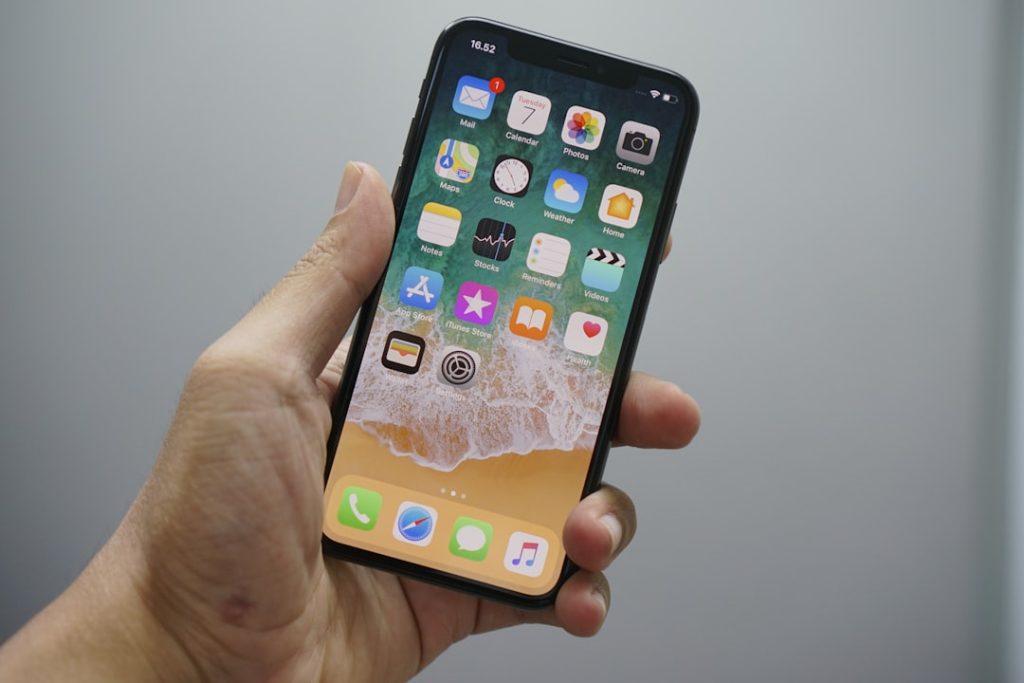
After two years of stumbles, Apple used its WWDC 2026 keynote at Apple Park to attempt something rare for the company: a public do-over. On Monday it introduced Siri AI, a version of its voice assistant that Apple says has been rebuilt from the ground up with artificial intelligence at its core. It is the centerpiece of a broader Apple Intelligence refresh that also touched iOS 27, macOS 27, and Apple’s design language.
What Apple actually announced
The headline is the assistant itself. Apple framed Siri AI as a move beyond rigid voice commands toward a genuinely conversational assistant — one that can understand personal context, pull current information from the web, and take actions across apps and devices on a user’s behalf. In practice, that means you should be able to ask follow-up questions, reference things you did earlier, and have Siri carry a task across multiple apps without you stitching the steps together yourself.
Apple also leaned into voice quality. Siri AI ships with a more personalized voice experience that the company claims sounds markedly more natural than the synthetic voices longtime users will recognize. Alongside the assistant, Apple refreshed its Liquid Glass interface treatment, signaling that the AI push comes bundled with a visual update rather than a quiet under-the-hood change.
The camera becomes an input
One of the more concrete demos was a new “Siri mode” for the iPhone camera, which lets the assistant act on whatever is in the camera’s field of view. Apple’s example: point the phone at a plate of food and get an estimate of its nutritional information. It is a small feature on paper, but it reframes the camera as a live input for the assistant rather than just a photo tool — the kind of ambient, point-and-ask interaction rivals have been racing toward.
The part Apple said more quietly: Google inside
Perhaps the most consequential detail is that the AI-boosted Siri is powered in part by Google’s Gemini model. For a company that markets itself on doing things in-house and on-device, leaning on a competitor’s frontier model is a notable concession — and an acknowledgment of how far behind Apple fell after its first AI rollout underdelivered. It also raises questions Apple will spend the next year answering about privacy boundaries, where queries are processed, and how much of “Siri AI” is truly Apple’s.
Who gets it, and when
This is where expectations need managing. The most powerful on-device Siri AI is gated to newer, higher-memory hardware: iPhone Air, iPhone 17 Pro and 17 Pro Max, iPad (M4) or later, and Mac (M3) or later — in each case with at least 12GB of unified memory. If you are on older hardware, the full experience will not reach you.
On timing, Apple said Siri AI will arrive for U.S. customers later this year in English, with other languages to follow. It will not launch immediately in the European Union or China, owing to regulatory constraints in those markets. In other words, the reveal is real, but the global rollout is staggered — a pattern that has become familiar with Apple’s AI features.
Why it matters
Apple’s first swing at AI was defined by delays and features that did not ship as promised, and the company is still rebuilding credibility. The WWDC 2026 reveal is an explicit attempt at redemption: a rebuilt assistant, a more natural voice, camera-based actions, and a willingness to partner with Google to close the capability gap. Whether it lands depends on execution between now and the U.S. launch — the demos looked strong, but Apple has set a high bar by promising the kind of contextual, cross-app intelligence that is genuinely hard to deliver reliably.
For now, the message from Cupertino is clear: Siri is no longer a punchline Apple is hoping you forget. It is the product the company is staking its next platform cycle on.
Related on DAILYSIM: Alphabet’s $80 billion AI capital raise and Trump’s new executive order on frontier AI security.