SpaceX’s $75 Billion Bet: A Record IPO to Build AI Data Centers in Orbit
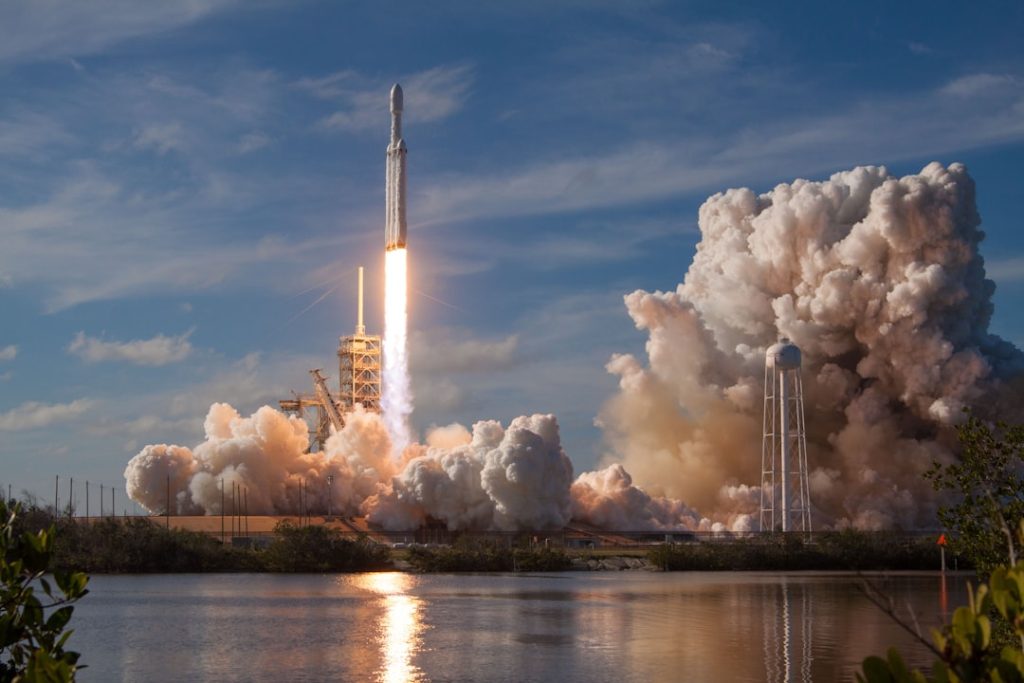
SpaceX is about to test the outer limits of what public markets will fund. The company is targeting a Nasdaq debut on June 12 under the ticker SPCX, aiming to raise a record-shattering $75 billion at a roughly $1.77 trillion valuation. If it prices as expected, it would be one of the largest offerings in history — and the money is pointed at an audacious idea: moving AI computing off the planet.
The numbers behind the offering
SpaceX filed its S-1 prospectus with the SEC on May 20 and is moving fast. The underwriting syndicate reads like a roll call of Wall Street: Goldman Sachs, Morgan Stanley, Bank of America, Citigroup, and JPMorgan Chase are co-leading the deal. According to reports, the offering is already oversubscribed ahead of pricing — a signal that institutional demand for exposure to SpaceX has outrun the supply of shares on offer.
A valuation near $1.77 trillion would place SpaceX among the most valuable companies on earth on day one, a striking figure for a business whose marquee divisions — launch and Starlink — are capital-intensive and operationally complex.
What the money is for: ‘AI1’ and computing in orbit
The pitch tying the raise together is space-based AI infrastructure. SpaceX unveiled designs for an AI data-center satellite it calls AI1, along with manufacturing efforts dubbed Gigasat and Terafab. The AI1 satellites feature large solar arrays and advanced cooling, and are designed to run complex AI workloads in low Earth orbit — using abundant solar power and the cold of space to sidestep two of the biggest constraints facing terrestrial data centers: energy and heat.
The ambitions are enormous. SpaceX has floated a target of 1 terawatt of space-based AI computing power by 2027, though its own IPO filings suggest a more conservative 2028 start. To get there, the company plans two major manufacturing plants capable of producing more than 1,000 satellites a year by late 2027, alongside billions of AI chips.
The revenue story investors are buying
The financial case rests on a steep growth curve. Investment banks expect SpaceX’s AI revenue to climb to roughly $190 billion by 2030, up from about $3.2 billion in 2025. Goldman Sachs has projected total company revenue could top $474 billion by 2030, with AI accounting for some $322 billion of that. Those are the kinds of numbers that justify a trillion-dollar-plus valuation — if they materialize.
The reasons for caution
And that “if” is doing a lot of work. Projecting AI revenue from $3.2 billion to $190 billion in five years assumes flawless execution on a technology — large-scale orbital data centers — that does not yet exist at scale. Launch cadence, satellite manufacturing throughput, in-orbit servicing, cooling at scale, and latency for AI workloads beamed from space are all open engineering questions.
There is also the broader context: the AI data-center boom on the ground is already running into grid constraints, permitting delays, and supply-chain bottlenecks. SpaceX is effectively arguing it can leapfrog those terrestrial problems by going to orbit. That is a compelling story for investors who want a differentiated AI infrastructure bet — but it layers space-hardware risk on top of AI-demand risk.
Why June 12 matters
Beyond SpaceX itself, the SPCX debut is a barometer. A blockbuster pricing would confirm that public markets are willing to underwrite the next, more speculative phase of the AI build-out — one measured in satellites and terawatts rather than server racks. A wobble would be read as the moment investor enthusiasm for AI infrastructure finally met its ceiling. Either way, June 12 is shaping up to be one of the most closely watched market days of the year.
Related on DAILYSIM: Alphabet’s $80 billion AI capital raise and Trump’s new executive order on frontier AI security.