Meta Iris Chip Enters Production as Zuckerberg Races to Cut Nvidia Dependence
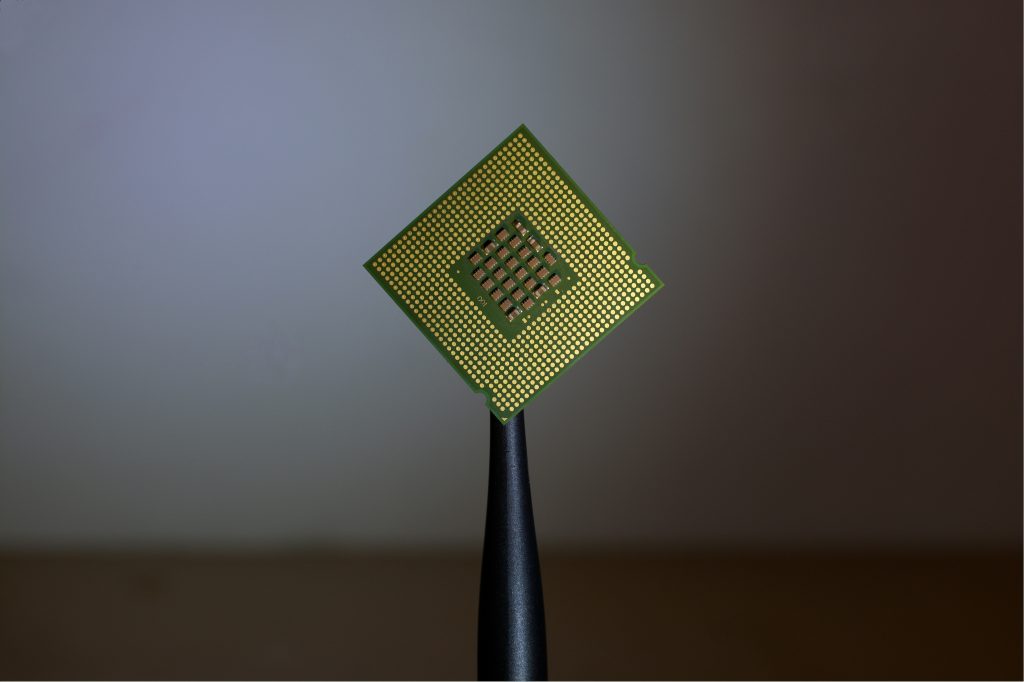
The Meta Iris chip is moving from the lab to the fab, with Mark Zuckerberg’s company set to begin mass production of its in-house AI processor as early as September, according to an internal memo first reported by Reuters. It is the clearest sign yet that Meta wants to break its expensive dependence on Nvidia and control the silicon powering its sprawling AI ambitions.
What the Meta Iris Chip Is Built to Do
Iris is the fourth-generation chip in Meta’s MTIA (Meta Training and Inference Accelerator) program, developed in partnership with Broadcom and manufactured by TSMC. The processor reportedly cleared testing in just six weeks before getting the green light for production. The goal is not to rip out every Nvidia GPU in Meta’s data centers, but to handle a growing share of AI inference and training workloads at a fraction of the cost.
According to the Data Center Dynamics report, Iris production is tied to an aggressive plan to double Meta’s compute capacity to 14 gigawatts by 2027 — a staggering figure that underscores how much power the AI arms race now demands.
Why Meta Wants Off the Nvidia Treadmill
Nvidia’s AI accelerators have become the most sought-after — and expensive — hardware on Earth, with lead times and prices that squeeze even the richest buyers. For a company spending tens of billions a year on infrastructure, every workload Meta can shift onto its own silicon is money saved and supply risk reduced.
- Cost control: Custom chips let Meta sidestep Nvidia’s premium margins on inference at scale.
- Supply security: Owning the roadmap insulates Meta from GPU shortages and allocation battles.
- Optimization: Iris can be tuned specifically for Meta’s recommendation and generative AI models.
A Broader Custom-Silicon Wave
The Meta Iris chip is part of a pattern sweeping Big Tech. Google has its TPUs, Amazon has Trainium and Inferentia, Microsoft has Maia, and OpenAI has begun rolling out its own inference silicon. Meta formalized its custom-chip strategy with Broadcom earlier this year, extending the partnership through 2029 across multiple MTIA generations. The message across the industry is consistent: the hyperscalers no longer want to rent all their compute from a single vendor.
The Risks Ahead
Custom silicon is brutally hard. Meta’s earlier MTIA generations saw limited deployment, and moving from a working test chip to reliable, data-center-scale production is where many in-house efforts stumble. Software maturity matters too — Nvidia’s CUDA ecosystem remains a formidable moat that new accelerators struggle to match. If Iris underperforms or slips, Meta stays on the Nvidia treadmill it is desperate to leave.
Still, the momentum is real. If the Meta Iris chip hits its September production window and scales cleanly, it could become one of the largest custom AI deployments outside of Google — and another crack in Nvidia’s grip on the AI economy.
Related on DAILYSIM: Qualcomm Tenstorrent Deal: Chipmaker in Talks for a $10 Billion AI Silicon Bet and OpenAI Chip Debuts: Jalapeño Targets 50% Cheaper LLM Inference.