New York Data Center Ban: Hochul Freezes Hyperscale AI Projects for a Year
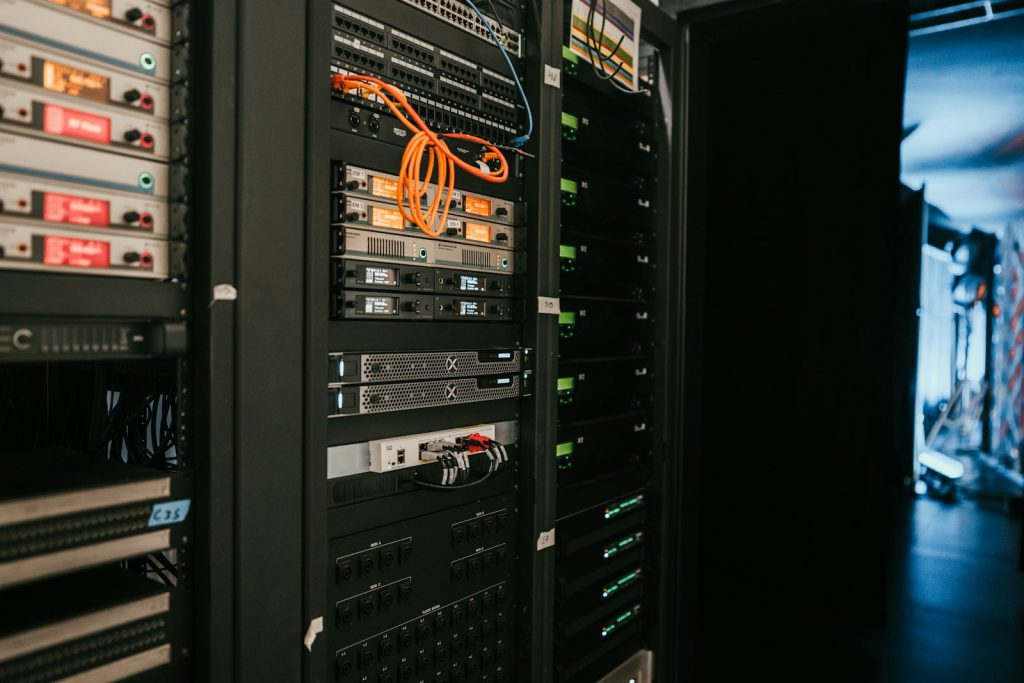
New York has become the first US state to enforce a data center ban, after Governor Kathy Hochul signed an executive order on July 14 freezing construction of new hyperscale AI facilities for up to a year. The order applies to any project drawing 50 megawatts or more, and it lands squarely in the middle of the loudest fight in American infrastructure right now: who pays for the AI buildout.
What the New York Data Center Ban Actually Does
The executive order does three things. It pauses state permitting for new hyperscale facilities at or above 50 MW. It directs the New York Department of Public Service to draft what Hochul called “the strongest standards in the nation for data center development.” And it kicks off an environmental impact statement covering water quality, air quality, electricity draw, and water consumption — the four numbers the industry has spent two years declining to publish in any consistent format.
The moratorium runs up to twelve months. Existing facilities and projects already permitted are untouched, which means the roughly two dozen sites already moving through New York’s queue continue as planned.
Why Hochul Signed the Order Now
Hochul’s stated reason is the grid. “These hyperscale AI data centers consume enormous amounts of power, truly threatening to outpace our grid’s capacity,” she said, adding that they “drive up costs for local ratepayers.” That second half is the politically potent one. Retail electricity prices in several data-center-dense regions have climbed sharply, and voters have noticed.
The politics are not subtle. Polling this year has shown data centers to be startlingly unpopular across party lines, and with the 2026 midterms approaching, opposition to AI infrastructure has turned into rare common ground between progressive Democrats and moderate Republicans. Hochul, who has generally been friendly to the tech industry, is now on record as the first governor in the country to actually stop a shovel.
The Gap Between the Order and the Senate Bill
Here is where the story gets more interesting than the headline. Hochul’s order replaces a bill the New York State Senate passed on June 4 that was considerably more aggressive:
- The Senate bill set the threshold at 20 megawatts. Hochul’s order sets it at 50 — a 30 MW increase that exempts a meaningful slice of mid-size projects.
- The Senate bill required data center owners to fund local infrastructure programs. The executive order does not.
- The Senate bill mandated third-party audits. The executive order drops that too.
So the first statewide data center ban in America is also, read carefully, a softer instrument than what the legislature wanted. It reflects a real schism inside the Democratic party between pro-industry governors — Michigan’s Gretchen Whitmer and California’s Gavin Newsom, who vetoed a data center bill of his own — and legislators who want binding cost-recovery rules.
Maine actually passed a ban first, in legislation that would have blocked new construction until November 2027. Governor Janet Mills vetoed it in April. That makes New York’s order the first one that is enforceable, if not the strictest one ever drafted. You can read Futurism’s full breakdown of the executive order for the legislative back-and-forth.
What It Means for the AI Buildout
New York is not Virginia. It is not a top-five data center market, and hyperscalers have largely routed capacity toward cheaper power in Ohio, Texas, and the Southeast. The direct capacity impact of this data center ban is modest.
The precedent is not modest. Several states have similar measures in committee, and until now every one of them could be waved off as posturing — no governor had signed. That excuse is gone. For companies planning five-year, multi-gigawatt campuses, the risk calculus just changed: siting decisions now carry political duration risk, not just interconnection risk.
There is also a signal buried in the environmental impact statement. If New York produces a credible, standardized methodology for measuring a facility’s water and power footprint, that document becomes a template other states copy rather than rebuild. Standards travel faster than moratoria.
The Bottom Line
A one-year pause in a mid-tier market is not going to slow the AI buildout. But it establishes that a sitting governor can freeze hyperscale construction and survive the lobbying that follows — and the AI lobby has spent heavily in New York. The number worth watching is not 50 megawatts. It is how many other governors decide the politics now favor signing.
Related on DAILYSIM: AI Data Centers Get a $1.75 Billion Jolt: National Grid Buys Into Joulent and Apple On-Device AI Talks: PrismML Says It Can Squeeze a 27B Model Onto an iPhone.